
We are living through the fastest skill-shift in human history. Technologies that were once optional are now foundational. Jobs that once defined entire industries are being rewritten. And the capabilities that made people successful a decade ago are rapidly losing their relevance.
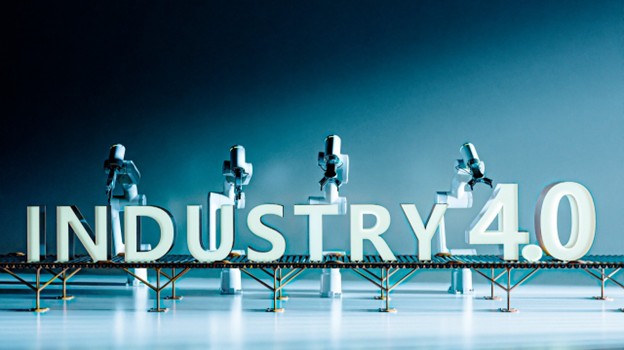
Industry 4.0 is not just changing what we do — it’s changing who we need to become.*
In this new world, upskilling is not an HR initiative. It’s a survival strategy. It’s a business imperative. And above all, it’s a mindset shift from “knowing” to continuously becoming.
Organizations that thrive in 2030 will be the ones that invest in people the same way they invest in technology — consistently, courageously, and strategically.
So what skills will truly matter in this next era of work?
- Adaptive Intelligence: The Skill Above All Skills
Static knowledge is losing value. What matters now is how fast you can learn what you don’t know.
Adaptive intelligence is the ability to absorb change, unlearn outdated information, and reframe challenges with a flexible mind. People who adapt are people who advance.
- Digital Fluency, Not Just Digital Literacy
Knowing digital tools is no longer enough. The future belongs to those who understand how data, automation, AI, and connected systems work together to enable smart decision-making.
Digital fluency is about confidence, not complexity — the ability to collaborate with technology instead of fearing it.
- Human-Centric Skills: The Irreplaceable Capabilities
As machines automate more tasks, the skills that remain uniquely human will become exponentially more valuable:
- Empathy
- Judgment
- Creativity
- Emotional intelligence
- Social collaboration
- Ethical decision-making
These are not “soft skills.” They are core skills — the backbone of leadership and transformation.
- Design Thinking & Problem Framing
Industry 4.0 needs people who can solve problems that don’t have templates. This requires curiosity, experimentation, and the courage to question assumptions.
Design thinking is not just a method — it’s a way of seeing. It teaches individuals to look beyond symptoms and identify the real challenges behind them.
- Cross-Functional Collaboration
Future talent must be able to work across disciplines: engineers with designers, analysts with operators, AI with humans.
Silos are too slow for the 2030 world. Organizations will need teams that think like systems — interconnected, responsive, and aligned.
- Self-Leadership & Personal Mastery
Industry 4.0 will reward individuals who can manage themselves — their focus, energy, learning cycles, and emotional states.
Self-leadership is the new competitive advantage. It empowers people to stay resilient in disruption and take responsibility for their own growth.
Final Reflection
The future is not waiting for anyone to catch up. The individuals and organizations who rise in 2030 will be the ones who view upskilling not as training — but as transformation. In an age of rapid change, continuous learning is not a choice. It’s the new definition of relevance.
#FutureSkills #Industry4Point0 #Upskilling #RightPathTransformation #LearningCulture #FutureOfWork #DigitalMindset #PeopleTransformation #LeadershipDevelopment #ContinuousLearning